
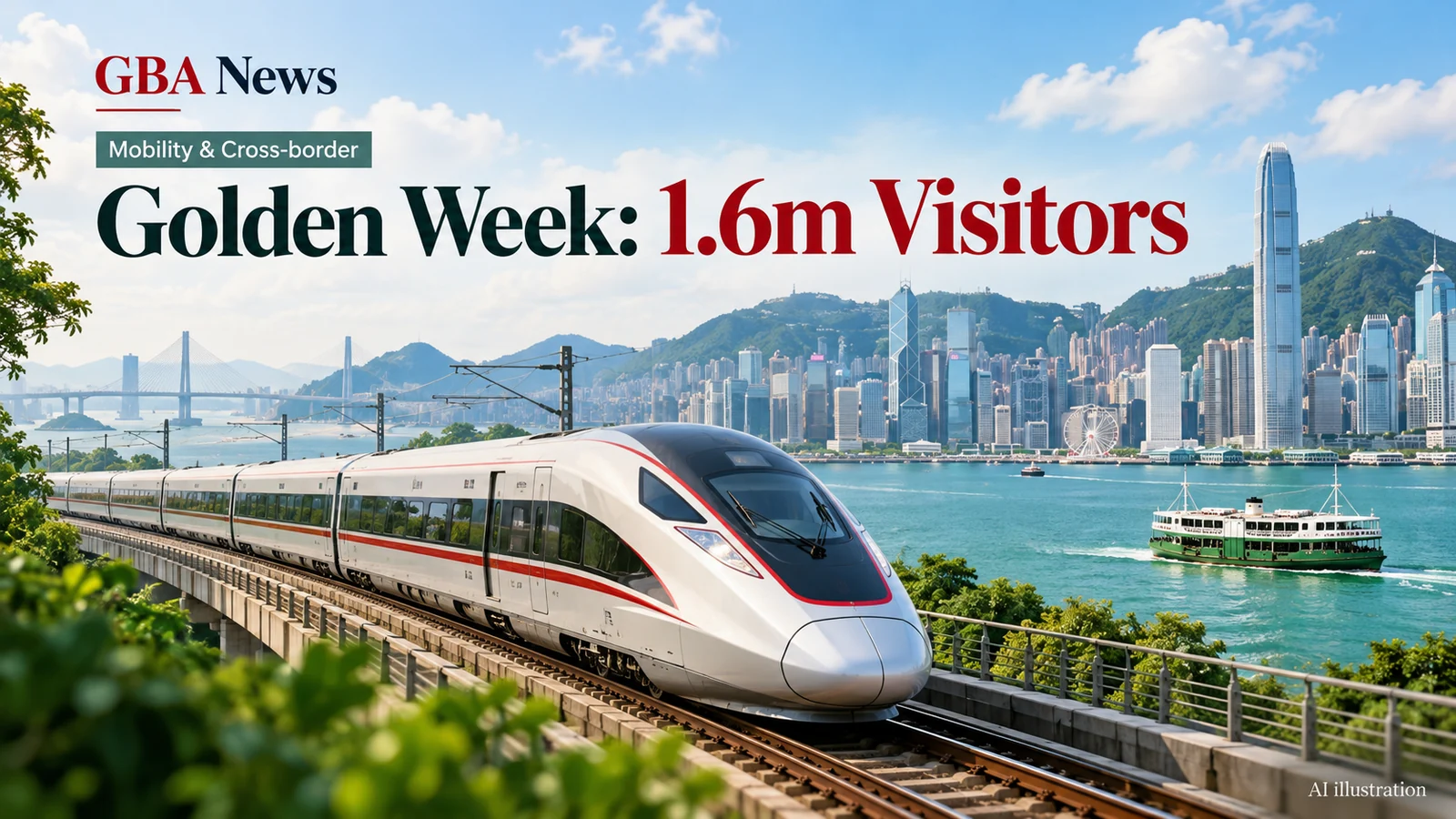
Hong Kong's seven-day Golden Week visitor figures put cross-border rail and countryside visitor management in focus, alongside industry reports of stronger holiday business.
At a glance
- The government reported about 1.6 million inbound visitors during 1-7 October, including more than 1.41 million from the Mainland.
- Lok Ma Chau Spur Line and West Kowloon were the leading Mainland arrival points; these are holiday results, not a forecast for the next peak period.
- The review describes extra transport capacity and site-specific countryside measures. Check current services and access arrangements separately before travelling.
A seven-day result, not a like-for-like annual comparison
The government's 8 October news summary says Mainland arrivals averaged about 202,000 a day, with roughly 277,000 on 1 October. It says the Mainland total exceeded last year's eight-day holiday figure. The reporting periods differ: that observation should not be presented as a like-for-like percentage increase in total tourism. The published figures describe inbound visitor arrivals, not a count of unique individuals or nights spent in Hong Kong.
Rail gateways and reported business gains
Lok Ma Chau Spur Line ranked first for Mainland arrivals, followed by West Kowloon. The same government summary reports retail-sector spending gains ranging from single to double digits and about 10% higher business at catering establishments in tourist areas, based on industry feedback. Hotel occupancy was around 90%. These are separate measures: occupancy is not visitor spending, and sector feedback is not an independently audited estimate of the entire city's holiday revenue.
What the transport response involved
The fuller official holiday review describes additional immigration counters and vehicle clearance facilities. The Transport Department strengthened its emergency monitoring and coordinated more MTR services to Lo Wu and Lok Ma Chau, additional high-speed trains serving Futian, Shenzhen North and Beijing West, and greater cross-border bus and ferry capacity. Those measures describe the completed holiday response. They do not establish that identical extra services remain available after Golden Week; travellers need current operator information for a particular journey.
Countryside access requires site-specific checks
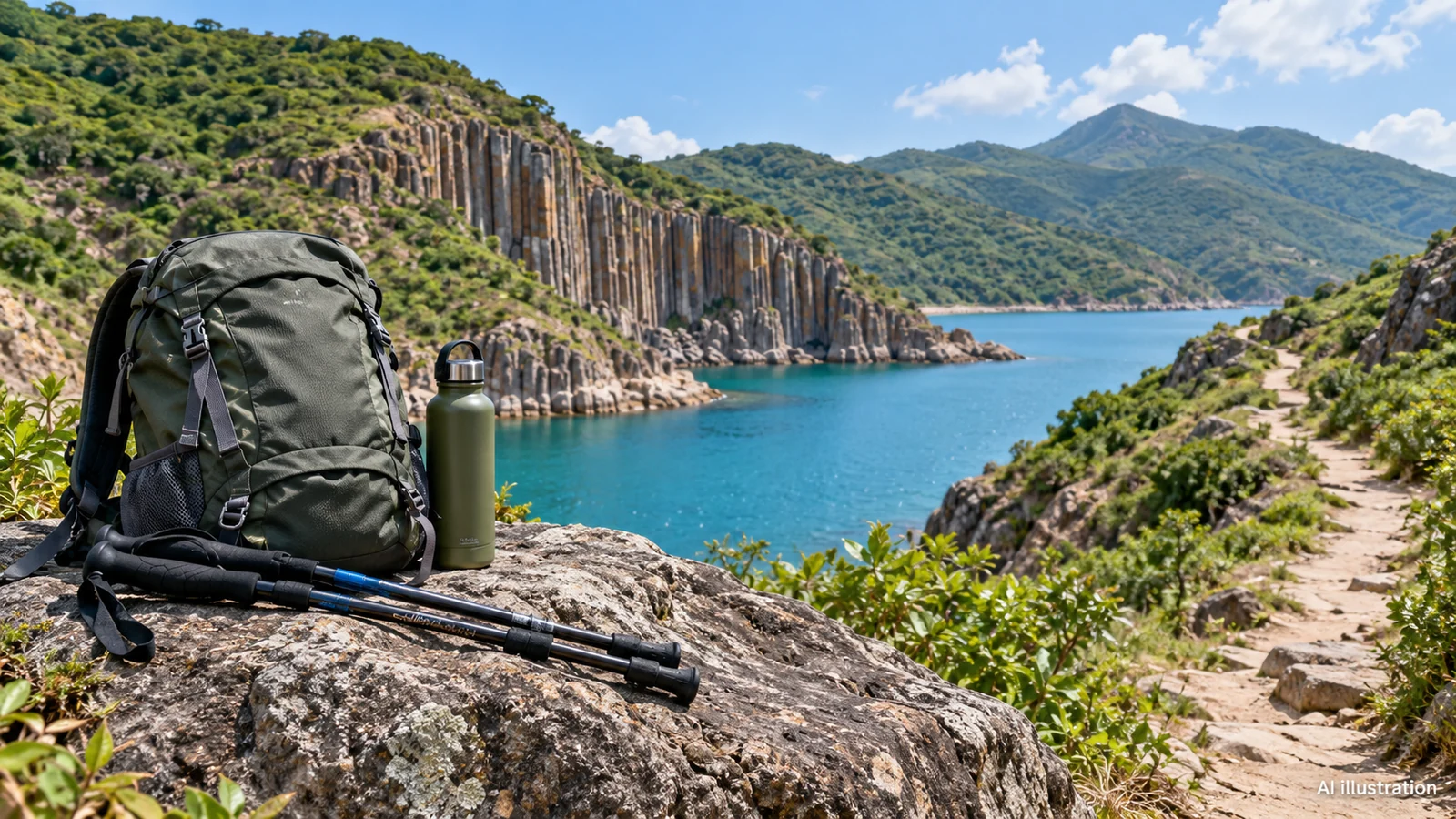
The review also records stronger route 9A minibus services between Pak Tam Chung and the East Dam, plus a trial reservation arrangement for the Po Pin Chau route. Rangers, viewing arrangements and patrols formed part of visitor management. Cleaning and conservation work covered popular campsites and coastal destinations. The reservation trial concerned a particular route: it should not be read as a universal booking requirement for every East Dam visit. Check the relevant site notice rather than transferring one location's rules to another.
A practical check before the next cross-border trip
The Immigration Department's 28 September pre-holiday notice directed travellers to Easy Boundary waiting-time information and reminded them to check travel documents. Its passenger forecasts covered movements by residents and visitors, unlike this week's inbound-tourist result. Use the linked live waiting-time page for journey planning, not September's projected volumes. An arrival total, an event attendance figure and a border passenger movement are different statistical units; keeping those labels attached makes a holiday report useful without promising a shorter queue or a particular economic outcome.
Sources and image disclosure
HK draws 1.6m Golden Week visitors (8 October 2026)
Government holiday review: transport and countryside measures (8 October 2026, Chinese)
Immigration Department's pre-holiday passenger forecast and travel advice (28 September 2026)
Security Bureau: live land-boundary waiting times
Reporting is based on the linked official sources, including the government holiday review dated 8 October 2026 and the separately labelled pre-holiday travel notice, reviewed for this article on 9 October. The cover and contextual image are AI-generated editorial illustrations, not documentary photographs.