

A 15 October forum highlighted links between young researchers and industry needs, with officials distinguishing technology testing, talent development and future research support.
At a glance
- Sun Dong addressed the matching forum on 15 October.
- Real application settings were a central theme.
- A future young-researcher category is not an open funding call.
Connecting research with an actual use case
Innovation, Technology and Industry Secretary Sun Dong said promising research needs testing against market needs before commercialisation. His speech linked Hong Kong's services and infrastructure with Greater Bay Area manufacturing and supply chains, and referenced the forum's 30-by-30 matching initiative.
A proposed bridge, not an operating promise
Sun said the Government was supporting HKSTP in exploring an application-scenario promotion centre. He also said a young-researcher category would be introduced under the Innovation and Technology Support Programme. The speech is not evidence that either mechanism is already accepting applications.
A separate talent-development route
HKSTP's current Talent Foundry page describes an AI-focused development programme for students, graduates, researchers, early-career professionals and innovators. Its framework moves from foundational learning to industrial practice and then realisation, with activities including classes, workshops and career-oriented events. The page is useful background, not proof of a place on a specific course, a guaranteed job or automatic access to the forum.
Check the existing funding rules separately
The ITSP page identifies eligible lead applicants as research centres or designated local public research institutions. It distinguishes annual Platform and Seed applications from year-round Collaborative applications. The published 2025/26 annual window ended on 17 July 2026, with separate year-round arrangements for research centres. Those existing rules should not be substituted for the still-to-be-announced young-researcher category.
What a useful research-industry match would clarify
For a young team, an application scenario is more useful when it names a problem owner, a test setting and a measurable outcome. Before committing resources, teams can ask what data or facilities are available, who approves a trial and how intellectual property and publication rights will be handled. These are practical editorial questions, not additional conditions announced at the forum.
What readers should watch next
The next useful evidence would be an organiser's published participation process, a defined pilot opportunity or official guidance for the new research category. A policy speech can signal direction without supplying a deadline or an award decision. Readers should use the linked programme owners to check the precise route relevant to them, rather than assuming that attendance, training and research funding form a single application.
Sources and image disclosure
HKSTP: Talent Foundry and the AI for All Inclusive Programme
Innovation and Technology Fund: current ITSP eligibility and application arrangements
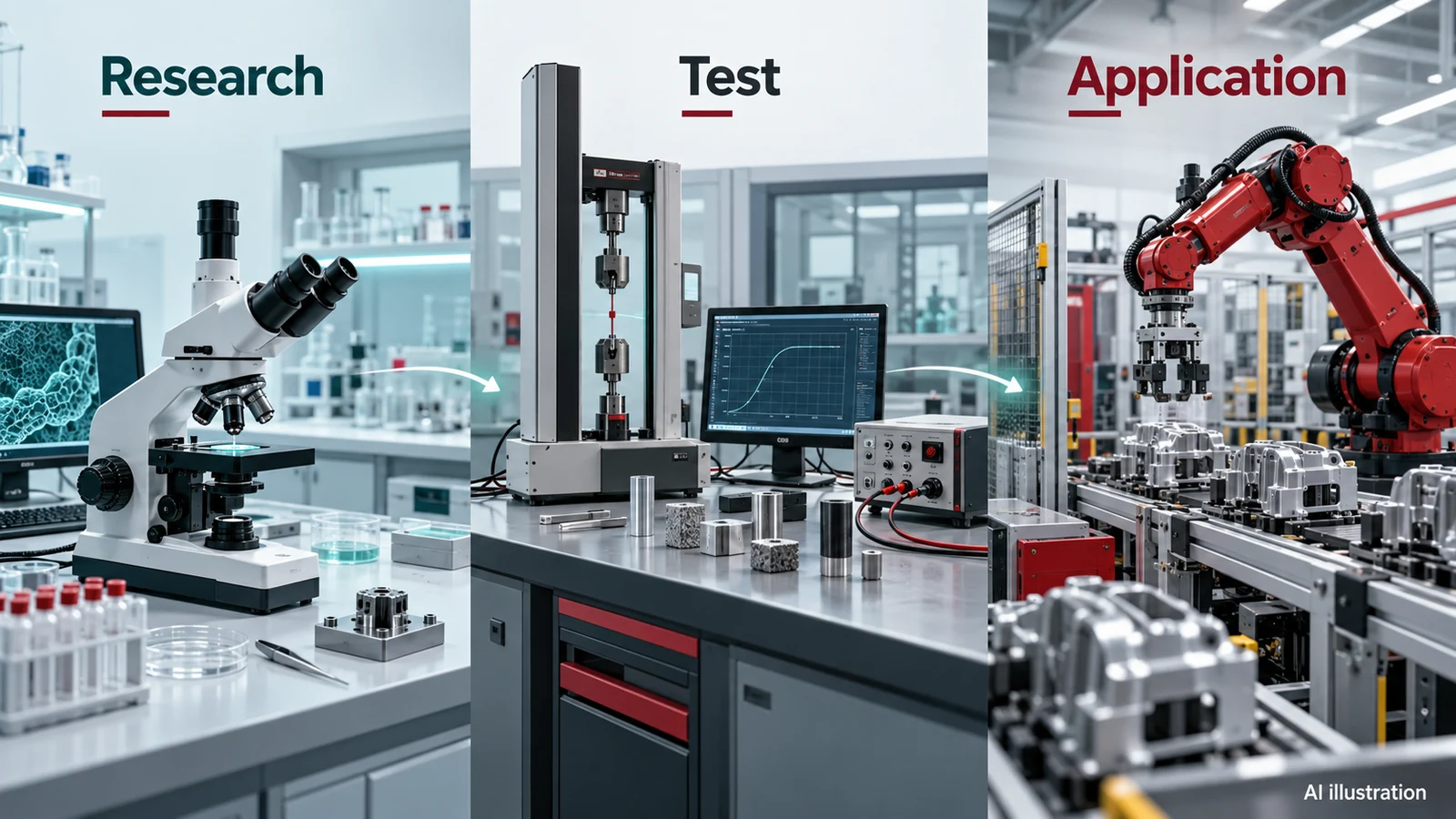
Reporting is based on the linked official sources, with announcement dates and event dates distinguished in the article. Practical interpretation is editorial analysis, not an additional official promise. Sources were reviewed on 16 October 2026. The cover and contextual image are AI-generated editorial illustrations, not documentary photographs.