

A Cantonese public lecture at Hong Kong Central Library will bring research on home learning and support for autistic children into a public setting. The event is free, with seats allocated on a first-come, first-served basis.
At a glance
- The lecture is on Saturday, 17 October, from 15:00 to 17:00.
- The venue is the ground-floor Lecture Theatre at Hong Kong Central Library.
- Admission is free and first come, first served.
- Research presentations are not individual clinical advice.
When and where the lecture takes place
The Research Grants Council notice, issued on 9 October, gives a 17 October afternoon session at Hong Kong Central Library. It will be conducted in Cantonese, and the public is welcome. The notice also points to live viewing through the Hong Kong Public Libraries YouTube channel. Free entry should not be confused with a reserved seat.
Two research perspectives
Dr Catrina Liu of the Hong Kong Polytechnic University's Department of Applied Social Sciences will discuss home learning in Hong Kong families. Professor Catherine So of the Chinese University of Hong Kong's Department of Educational Psychology will present the RABI intervention involving autistic children and parents. These are the topics announced by the organiser, not an assurance of a particular outcome for any child.
Practical analysis: arrive with a focused question
For parents, teachers or young volunteers, a public research talk can be more useful with one concrete question in mind. Consider the age group studied, the setting in which an approach was tested and the way researchers measured change. Those questions help distinguish a study's findings from a broad slogan about better learning, without asking a public speaker to assess an individual child.
Translate evidence into a modest next step
A sensible follow-up is to review an existing learning routine before buying a product or adopting a new programme. Ask what is manageable at home, what a school already provides and what would need professional input. This is editorial guidance on using a lecture responsibly; it is not a recommendation for a treatment, a diagnosis, or a claim that one method works for everyone.
Make access part of the plan
A first-come event rewards practical planning. Check the venue's current access information and allow time to find the lecture theatre. A livestream may help people who cannot travel, but readers should use the organiser's channel rather than assuming an unofficial recording is complete. Community groups sharing the event should carry the time, language and seating condition together, not just the word free.
Keep a public lecture distinct from a consultation
The session offers access to researchers and their work. It does not substitute for a private assessment or a child-specific support plan. Attendees can note source references and later discuss relevant questions with qualified professionals who know their circumstances. That boundary is especially important when an accessible public event covers developmental needs: interest in research should not become a promise of clinical benefit.
Sources and image disclosure
RGC public lecture on children's learning
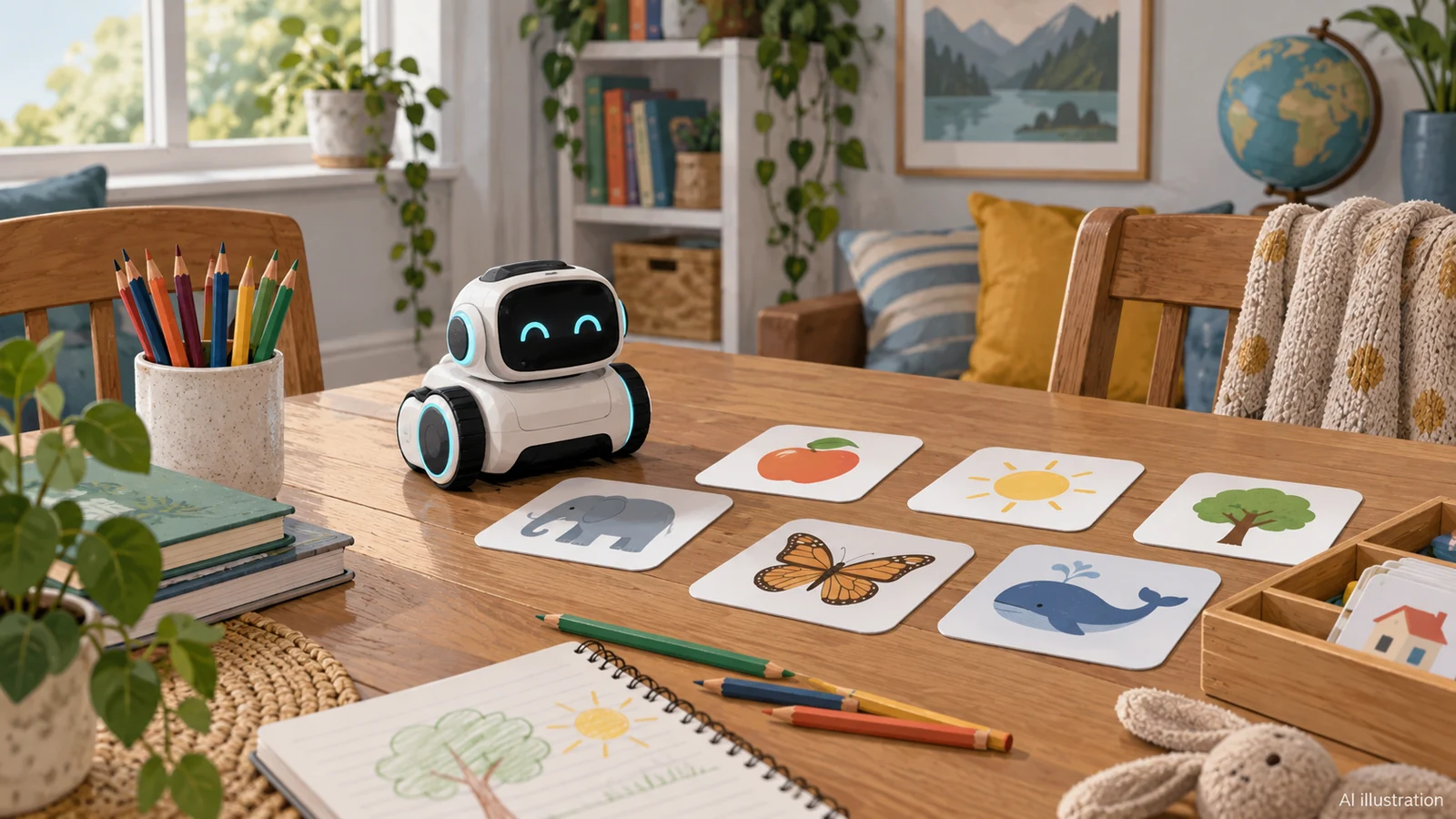
Reporting is based on the linked official sources, with announcement dates and event dates distinguished in the article. Practical interpretation is editorial analysis, not an additional official promise. Sources were reviewed on 10 October 2026. The cover and contextual image are AI-generated editorial illustrations, not documentary photographs.